

 FAST & FREE DELIVERY OVER £100
 Help Centre
 NEWSLETTER SIGN-UP
The Rise of Slow Shopping
Why Meaningful Gifts Are Having a Moment and How Retailers Can Embrace the Change
Let’s be honest, retail has felt a bit frantic for years. More products. More noise. More pressure to sell something, anything. If you step into a good independent shop right now, you might notice a different energy. People are starting to pause, consider ... hold things up to the light if you will.
The big considerations are: “Do I actually love this?” or “Will Aunty Claire like this?
That shift is called slow shopping. And it’s changing what sells.
UK shoppers won’t stop buying ... they’re just becoming more thoughtful
There’s a myth floating around that customers have tightened their belts and stopped buying gifts. That’s not quite right. They haven’t stopped, but they are buying better quality gifts.
Research from Forbes shows UK consumers are increasingly looking for excellent value and shopping experiences that engage. Well-curated gift shops and garden centres are the perfect locations to fulfil these needs for every budget.
Spring Fair gifting trends for 2026 indicate wellness, calm and self-care items are important, along with uplifting, bold and joyful aesthetics, as well as pets, hobbies and micro-interests.
The end of the ‘filler’ gift
You know the ones ... the ‘that’ll do’ items. The generic souvenirs. The bits that fill retail space but don’t really say anything and will be forgotten again within 24 hours.
What’s catching the attention of customers instead?
- Objects with meaning
- Designs with symbolism
- Pieces that feel like they were chosen and not grabbed
Retailers don’t necessarily need more products, but they do need better ones.
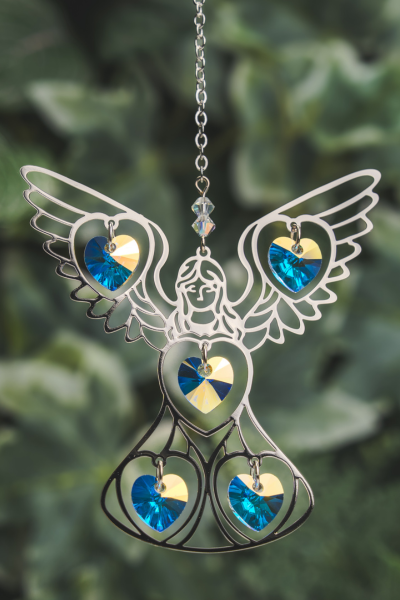
The Pause and Buy moment
So, what is it that is replacing impulse buying? It’s a slow-paced morning out, where the customer enters your store at a leisurely pace and they’re not in a rush.
It’s a gift that catches their eye, stops them in their tracks and feels just right.
The gift should be tactile, magical and a bit different, with a theme that triggers thoughts of a friend or family member.
That’s the pause-and-buy moment.
These are moments that:
- feel personal
- create emotional connection
- lead to purchases customers feel good about
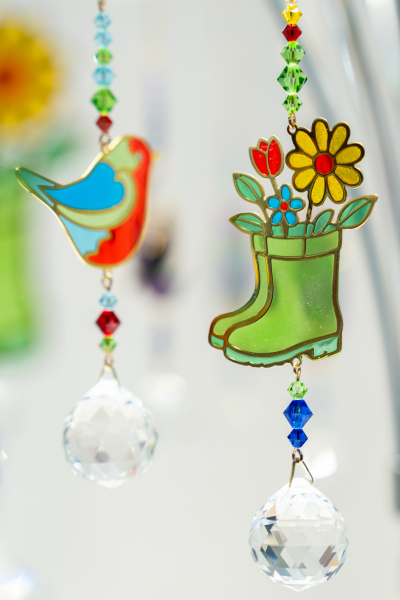
Why is this shift happening now?
A few big forces are driving this change:
People want their purchases to mean something
Even a £10–£15 item now needs to show that it is thoughtful, says something about the gift recipient and will last.
A visit to the shops is becoming an experience again
Customers are embracing physical retail for discovery and sensory experience. With the cost of living continuing to rise, a day out exploring the local garden centre or independent gift shops is a relatively inexpensive way to get out and about. Not just to buy, but to feel something while they shop.
The ‘small treat’ concept or ‘lipstick effect’ is still very much alive
People haven’t stopped treating themselves or others, they’ve just changed the criteria. Gifts or self-purchase treats can be small, but they should mean something and resonate emotionally with the shopper.
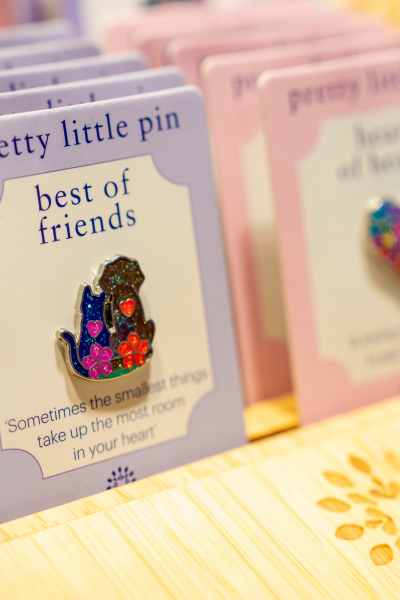
So what sells in a slow shopping world?
The products that sell are the ones that create a moment.
- Symbolic designs (animals, birds, flowers, angels)
- Pieces that play with light, colour or movement
- Small keepsakes that feel personal
- Affordable items that don’t feel throwaway
- Collectibles
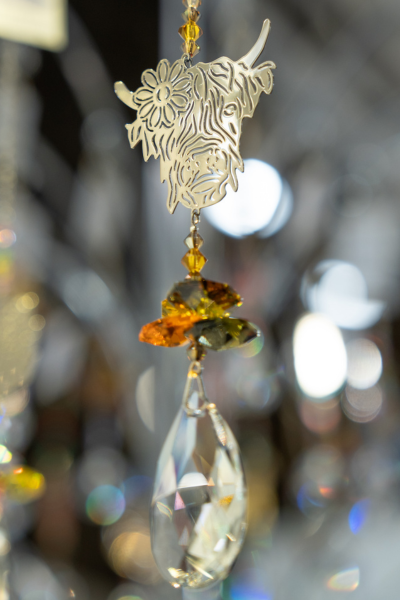
What retailers are doing differently
Retailers who have already noticed and acted on this important shift are making the following changes:
Editing more ruthlessly (smaller product range, more impact)
Choosing products with a story
Creating space for customers to pause
Curating with recipient hobbies, interests and nostalgia in mind
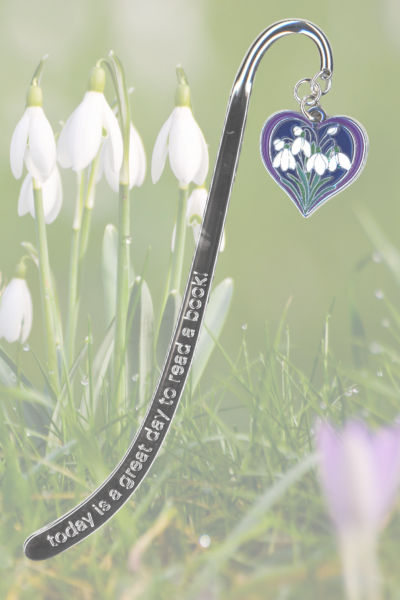
The takeaway
Customers won't stop buying gifts, but they are changing tack. They want meaning over mass, function with feeling and connection over convenience.
If you would like to inject a bit of immediate charm and sparkling attraction into your gift collection, we are always here to help match our designs to your specific business and customer needs.
Resources:
Published on 24 March 2026